Embarking on the journey of a computer information systems degree opens doors to a world of technology and innovation. From analyzing data to designing systems, this field offers endless possibilities for those with a passion for IT.
As we delve deeper into the core components and practical applications of this degree, a clearer picture emerges of the skills and knowledge that graduates can acquire.
Overview of Computer Information Systems Degree
A Computer Information Systems (CIS) degree program typically encompasses a combination of technical and business courses to equip students with the knowledge and skills needed to design, implement, and manage information systems within organizations.
In today's technological landscape, computer information systems play a crucial role in helping businesses operate efficiently, make informed decisions, and adapt to rapid changes in the digital world. From managing databases and networks to developing software solutions, CIS professionals are instrumental in ensuring the smooth flow of information within an organization.
Core Components of a Computer Information Systems Degree Program
- Programming languages such as Java, C++, or Python
- Database management and design
- System analysis and design
- Network security and administration
- Information technology project management
Importance of Computer Information Systems in Today’s Technological Landscape
- Facilitates efficient data management and analysis
- Enables seamless communication and collaboration within organizations
- Helps businesses stay competitive by leveraging technology solutions
- Enhances cybersecurity measures to protect sensitive information
Career Paths for Graduates with a Computer Information Systems Degree
- Systems Analyst
- Database Administrator
- Network Administrator
- IT Project Manager
- Software Developer
Curriculum and Courses
In a computer information systems degree program, students can expect to take a variety of courses that cover both technical and business aspects of information systems.
Common Courses Included
- Introduction to Computer Science
- Database Management Systems
- Systems Analysis and Design
- Programming Languages
- Networking Fundamentals
- Information Security
- IT Project Management
These courses provide students with a strong foundation in both technical skills and business knowledge relevant to computer information systems.
Practical Applications of Key Courses
- Database Management Systems: Students learn how to design and manage databases, which are crucial for storing and organizing large amounts of data in organizations.
- Systems Analysis and Design: This course teaches students how to analyze business requirements and design efficient information systems to meet those needs.
- Networking Fundamentals: Students gain an understanding of how computer networks operate and how to configure and troubleshoot network systems.
Specialized Tracks or Concentrations
Some computer information systems degree programs offer specialized tracks or concentrations to allow students to focus on specific areas of interest. Examples include:
- Cybersecurity: Focuses on protecting information systems from cyber threats and attacks.
- Business Intelligence: Emphasizes using data analysis to make strategic business decisions.
- Health Informatics: Combines healthcare knowledge with information systems to improve patient care and outcomes.
Skills Development
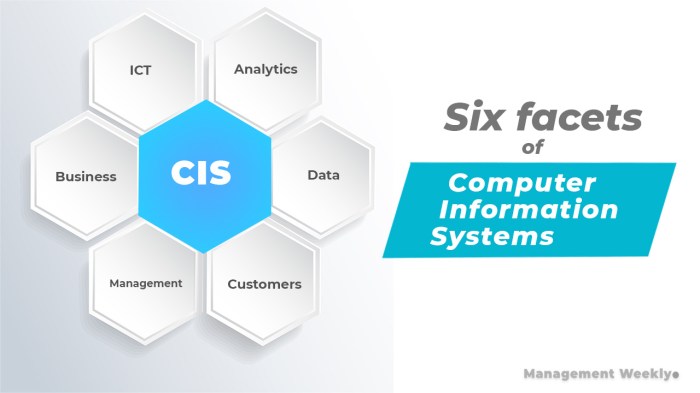
Through a computer information systems degree, students can expect to develop key skills that are highly relevant to the field of information technology. These skills are essential for success in various IT roles and positions.
Technical Proficiency
One of the primary skills students can expect to develop is technical proficiency in various programming languages, database management, network systems, and software development. This skill is crucial in designing, implementing, and maintaining complex IT systems.
- Proficiency in programming languages such as Java, Python, C++, and SQL
- Understanding of database management systems like MySQL, Oracle, and MongoDB
- Knowledge of network systems and protocols for efficient data transfer
- Ability to develop and troubleshoot software applications
Problem-Solving Skills
Another important skill that students will enhance is problem-solving. In the field of information technology, professionals often encounter complex issues that require analytical thinking and innovative solutions.
- Analytical thinking to identify root causes of technical problems
- Ability to develop creative solutions to IT challenges
- Critical thinking to evaluate and implement effective strategies
- Adaptability to quickly respond to dynamic IT environments
Communication and Collaboration
Effective communication and collaboration are key skills that students will develop through group projects, presentations, and interactions with peers and industry professionals. These skills are essential for working in multidisciplinary IT teams.
- Clear and concise communication to convey technical concepts to non-technical stakeholders
- Collaboration with team members to achieve project goals and deadlines
- Active listening to understand diverse perspectives and ideas
- Presentation skills to effectively communicate project outcomes and strategies
Industry Relevance
In today's rapidly evolving technological landscape, a computer information systems degree holds immense relevance in the industry. Companies across various sectors rely heavily on technology to streamline operations, analyze data, and make strategic decisions
Alignment with Industry Demands
- Computer information systems degrees equip students with a strong foundation in both technical skills and business knowledge, making them versatile professionals who can bridge the gap between technology and business needs.
- Industry demands professionals who can design, implement, and manage complex IT systems to support organizational goals and drive innovation.
- Graduates with a computer information systems degree are well-positioned to work in a variety of industries, including healthcare, finance, retail, and more, due to the universal need for technology solutions.
Emerging Trends and Technologies
- Artificial Intelligence (AI) and Machine Learning are revolutionizing the field of computer information systems, enabling systems to learn from data, improve processes, and make autonomous decisions.
- Cloud computing is becoming increasingly popular, allowing organizations to store data, run applications, and access services over the internet, leading to greater flexibility and scalability.
- Cybersecurity is a critical area of focus as organizations aim to protect their sensitive data from cyber threats, creating a demand for professionals who can secure systems and mitigate risks.
Staying Competitive in the Job Market
- Continual learning and upskilling are essential for graduates to stay competitive in the job market, as technology evolves rapidly.
- Obtaining certifications in specialized areas such as cybersecurity, data analytics, or project management can enhance a graduate's skill set and marketability.
- Building a strong professional network, participating in industry events, and staying updated on industry trends are also crucial for staying competitive in the job market.
Internships and Practical Experience
Internships and practical experience are crucial components of a computer information systems degree program. These opportunities provide students with real-world exposure and hands-on experience in the field, allowing them to apply their theoretical knowledge to practical situations.
Importance of Internships
- Internships offer students the chance to gain valuable experience and skills that cannot be acquired in a classroom setting.
- Hands-on experience allows students to work on real projects, collaborate with industry professionals, and build a network of contacts.
- Employers often value practical experience when hiring, making internships a valuable asset for students entering the workforce.
Tips for Securing Internships
- Start early and research companies or organizations that align with your interests and career goals.
- Utilize career services offered by your university to access internship opportunities and receive guidance on the application process.
- Prepare a strong resume and cover letter that highlights your skills, experiences, and enthusiasm for the field.
- Practice for interviews and be ready to showcase your knowledge and passion for computer information systems.
Benefits of Hands-On Experience
- Hands-on experience allows students to apply theoretical concepts to real-world problems, enhancing their problem-solving skills.
- Internships provide an opportunity to work in a professional setting, improving communication, teamwork, and time management skills.
- Building a portfolio of projects completed during internships can help students stand out to potential employers and demonstrate their capabilities.
Faculty and Resources
Faculty members in a computer information systems program play a crucial role in shaping the learning experience for students. They are responsible for delivering lectures, guiding students through projects, providing mentorship, and staying updated on industry trends.
Role of Faculty Members
- Faculty members bring real-world experience to the classroom, offering practical insights into the field of computer information systems.
- They often conduct research in areas like cybersecurity, artificial intelligence, data analytics, and software development, which enhances the curriculum and keeps students informed about cutting-edge technologies.
- Faculty members also serve as advisors, helping students navigate the program, choose electives, and explore internship opportunities.
Resources Available to Students
- State-of-the-art computer labs equipped with the latest software and hardware for hands-on learning and experimentation.
- Research opportunities that allow students to work on innovative projects alongside faculty members, contributing to the advancement of knowledge in the field.
- Industry partnerships that provide students with exposure to real-world scenarios, networking opportunities, and potential job placements upon graduation.
Contribution to Education
The presence of dedicated faculty members and access to resources like labs, research opportunities, and industry partnerships contribute to a well-rounded education in computer information systems by offering a blend of theoretical knowledge and practical skills. Students benefit from a dynamic learning environment that prepares them for the challenges of the ever-evolving tech industry.
Final Review

In conclusion, a computer information systems degree equips individuals with the expertise needed to thrive in the ever-evolving tech industry. By staying attuned to industry demands and honing essential skills, graduates can pave the way for a successful career ahead.
Frequently Asked Questions
What career paths can I pursue with a computer information systems degree?
Graduates can explore roles such as IT consultant, systems analyst, database administrator, and more.
Are there any specialized tracks within a computer information systems degree program?
Some programs offer concentrations in areas like cybersecurity, software development, or network administration.
How can internships benefit students pursuing a computer information systems degree?
Internships provide hands-on experience, networking opportunities, and a chance to apply classroom knowledge in real-world settings.