Embark on a journey through the world of heat and air repair, where we unravel the importance of regular maintenance, explore signs that indicate repair is needed, delve into DIY troubleshooting tips, discuss hiring professional repair services, break down costs, and reveal secrets to extending the lifespan of HVAC systems.
This comprehensive guide will equip you with all the essential knowledge to keep your heating and cooling systems in top shape.
From understanding the consequences of neglecting maintenance to learning how to recognize early warning signs, this guide covers it all to ensure you have a comfortable and efficient HVAC system year-round.
Importance of Heat and Air Repair
Regular maintenance for HVAC systems is crucial to ensure they function efficiently and effectively. Without proper care, these systems can experience a range of issues that can lead to costly repairs or replacements. Neglecting heat and air repair can have serious consequences, impacting both the comfort of your home and your finances.
Common Issues without Proper Maintenance
- Reduced efficiency: Over time, dust and debris can accumulate in the system, causing it to work harder to heat or cool your home. This results in increased energy consumption and higher utility bills.
- Poor air quality: Without regular maintenance, HVAC systems can circulate allergens, dust, and other pollutants throughout your home, leading to respiratory issues and allergies.
- Breakdowns: Neglecting maintenance can result in sudden breakdowns of your heat and air systems, leaving you without heating or cooling when you need it the most.
- Shortened lifespan: Lack of maintenance can significantly reduce the lifespan of your HVAC system, leading to premature replacement costs.
Signs that Indicate the Need for Repair
Recognizing the signs that indicate the need for HVAC system repair is crucial in maintaining a comfortable and efficient home environment. Ignoring these warning signals can lead to more extensive damage and costly repairs down the line.
Increased Energy Bills
One common indicator that your HVAC system may need repair is a sudden increase in your energy bills. If you notice a significant spike in your monthly utility costs without a corresponding increase in usage, it could be a sign that your system is working harder than it should due to issues that need attention.
Inconsistent Temperatures
If you find that certain areas of your home are consistently colder or warmer than others, it could be a sign of a malfunctioning HVAC system. Inconsistent temperatures throughout your home may indicate problems with your system's distribution of air, which should be addressed promptly.
Strange Noises or Odors
Unusual noises such as banging, squealing, or grinding coming from your HVAC system are clear signs that something is amiss and repair is needed. Similarly, strange odors like musty or burning smells should not be ignored, as they could indicate issues with the system's components or ductwork.
Frequent Cycling On and Off
If your HVAC system is constantly cycling on and off, it could be a sign of a faulty thermostat, clogged filter, or other issues that require repair. This frequent cycling not only affects the comfort of your home but also puts unnecessary strain on the system, leading to potential breakdowns.
DIY Troubleshooting Tips
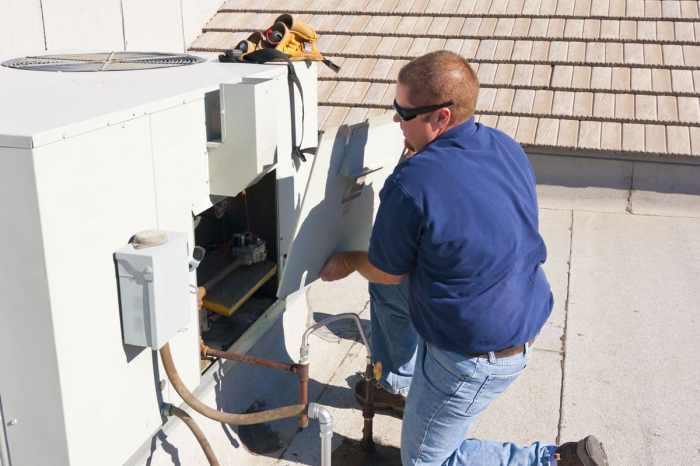
When it comes to basic troubleshooting for your heating and air conditioning system, there are a few steps you can take to potentially identify and resolve common issues. However, it's important to note that some problems may require professional help, so always prioritize safety and know your limitations when attempting DIY repairs.
Checking the Thermostat
One of the first things you can do is check the thermostat settings to ensure they are correctly configured. Make sure the thermostat is set to the desired temperature and mode (heating or cooling).
Inspecting the Air Filters
Dirty air filters can restrict airflow and cause your system to work harder than necessary. Regularly check and replace air filters to improve efficiency and prevent potential issues.
Examining the Circuit Breaker
If your system is not turning on, check the circuit breaker to see if it has tripped. Resetting the breaker may resolve the issue, but if it continues to trip, there may be a larger problem that requires professional attention.
Cleaning the Outdoor Unit
The outdoor unit of your HVAC system can accumulate dirt and debris, impacting its performance. Keep the area around the unit clear and consider cleaning the fins with a soft brush to maintain airflow.
Using Resources for Assistance
There are various resources available online, including instructional videos and troubleshooting guides, that can help you diagnose and address common HVAC issues. Utilize these tools to gain insights and guidance for DIY repairs.
Hiring a Professional Repair Service
When it comes to HVAC repair, hiring a professional service can offer numerous benefits that ensure your system is properly maintained and functioning efficiently. Professional technicians have the expertise, tools, and experience to diagnose and fix issues quickly, saving you time and hassle.
Benefits of Hiring a Professional HVAC Repair Service
- Expertise: Professional technicians have the knowledge and skills to accurately identify and repair HVAC problems.
- Quality Workmanship: Professionals ensure that repairs are done correctly the first time, reducing the risk of future issues.
- Efficiency: Professional services can complete repairs quickly and effectively, minimizing downtime for your HVAC system.
- Warranty Protection: Many professional repair services offer warranties on their work, providing you with peace of mind.
Comparing Different Repair Service Options
- Local Companies: Local HVAC repair companies offer personalized service and quick response times.
- National Chains: National chains may have more resources and standardized procedures, but may lack the personal touch of a local company.
- Independent Contractors: Independent contractors may offer competitive pricing and flexibility in scheduling.
Factors to Consider When Choosing a Repair Service Provider
- Experience: Look for a repair service provider with a proven track record and years of experience in the industry.
- Reputation: Check online reviews and ask for referrals to ensure you are hiring a reputable and reliable service.
- Pricing: Compare quotes from different providers, but remember that the cheapest option may not always be the best.
- Licensing and Insurance: Make sure the repair service provider is properly licensed and insured to protect yourself in case of any accidents or damages.
Cost of Repairs and Maintenance
When it comes to heat and air repair, understanding the typical costs involved can help you budget and plan for potential expenses. In addition, knowing how maintenance can impact these costs is crucial for saving money in the long run.
Breakdown of Typical Costs
Here is a breakdown of the typical costs associated with heat and air repair:
- Diagnostic fees: These are charges for identifying the issue with your HVAC system, usually ranging from $50 to $100.
- Parts replacement: The cost of parts can vary depending on the type and brand of your system, ranging from $50 to $500 or more.
- Labor costs: HVAC technicians charge by the hour, with rates typically between $75 to $150 per hour.
- Emergency service fees: If you require immediate repair outside of regular business hours, expect to pay additional emergency service fees.
Maintenance for Cost Savings
Maintaining your HVAC system regularly can help prevent costly repairs in the future. Here are some ways maintenance can save you money:
- Preventing major breakdowns: Regular maintenance can catch minor issues before they escalate into major problems that require expensive repairs.
- Improving efficiency: A well-maintained system operates more efficiently, reducing energy consumption and lowering utility bills.
- Prolonging lifespan: Proper maintenance can extend the lifespan of your HVAC system, delaying the need for costly replacements.
Tips for Budgeting
Here are some tips to help you budget for HVAC repairs and maintenance:
- Set aside a portion of your monthly budget for HVAC maintenance to avoid unexpected financial strain when repairs are needed.
- Consider purchasing a maintenance plan from a reputable HVAC company to spread out costs over time and receive regular service visits.
- Compare quotes from multiple HVAC repair companies to ensure you are getting a fair price for the services you need.
Extending the Lifespan of HVAC Systems
Regular maintenance is crucial in prolonging the lifespan of HVAC systems, ensuring they operate efficiently for years to come. By following best practices and taking proper care of your heating and cooling system, you can avoid costly repairs and replacements in the future.
Regular Maintenance Practices
- Change air filters regularly to prevent dust and debris buildup, which can strain the system and reduce airflow.
- Check and clean the evaporator and condenser coils to maintain efficient heat transfer and cooling performance.
- Inspect and clean the blower motor and fan blades to ensure proper airflow and circulation throughout the system.
Optimizing Settings and Usage
- Program your thermostat to optimize energy usage and prevent unnecessary strain on the system.
- Avoid setting the thermostat too high or too low, as this can lead to increased wear and tear on the HVAC components.
Professional Maintenance Services
- Schedule annual HVAC inspections and tune-ups with a licensed technician to identify and address any potential issues before they escalate.
- Consider signing up for a maintenance plan with a reputable HVAC company to receive regular service and discounts on repairs.
DIY Maintenance Tips
- Keep the area around the outdoor unit clear of debris and vegetation to ensure proper airflow and ventilation.
- Inspect ductwork for leaks and seal any gaps to prevent energy loss and maintain efficient heating and cooling.
Final Conclusion
In conclusion, heat and air repair is not just about fixing issues but also about ensuring the longevity and efficiency of your HVAC systems. By following the tips and guidelines provided in this guide, you can tackle any repair or maintenance needs with confidence and keep your home environment comfortable and healthy.
Questions Often Asked
Why is regular maintenance important for HVAC systems?
Regular maintenance helps prevent breakdowns, ensures optimal performance, and extends the lifespan of your heating and cooling systems.
What are some common signs that indicate the need for HVAC repair?
Unusual noises, uneven heating or cooling, and a sudden increase in energy bills are common indicators that your HVAC system requires repair.
Is it safe for homeowners to attempt DIY repairs on their HVAC systems?
Basic troubleshooting tasks like changing air filters or cleaning vents are safe for homeowners to do, but complex repairs should be left to professionals.
How can maintenance help save money in the long run?
Regular maintenance prevents major issues that can be costly to repair and ensures your HVAC system operates efficiently, saving you money on energy bills.
What are some best practices for prolonging the lifespan of HVAC systems?
Regularly changing filters, scheduling professional maintenance, and keeping the outdoor unit free of debris are all effective ways to extend the lifespan of your HVAC system.