Eco-friendly roofing and siding materials play a crucial role in creating sustainable homes. This article delves into the world of environmentally conscious building materials, showcasing their benefits, cost considerations, and environmental impact. Let's uncover how these materials are revolutionizing the way we think about construction.
Eco-friendly Roofing Materials
Using eco-friendly materials for roofing offers numerous benefits, both for the environment and for homeowners. These materials are typically made from sustainable resources, reduce energy consumption, and have a longer lifespan compared to traditional roofing materials.
Comparison of Environmental Impact
When comparing traditional roofing materials like asphalt shingles or concrete tiles to eco-friendly options, the environmental impact is significant. Traditional materials contribute to pollution, require a large amount of energy to produce, and often end up in landfills after their lifespan.
In contrast, eco-friendly materials are recyclable, energy-efficient, and help reduce the carbon footprint of a building.
Popular Eco-friendly Roofing Materials
- Metal Roofing: Metal roofs are durable, energy-efficient, and recyclable. They can last up to 50 years and are highly reflective, reducing energy costs.
- Solar Panels: Solar panels not only generate clean energy but also act as a protective roof layer. They can significantly reduce electricity bills and carbon emissions.
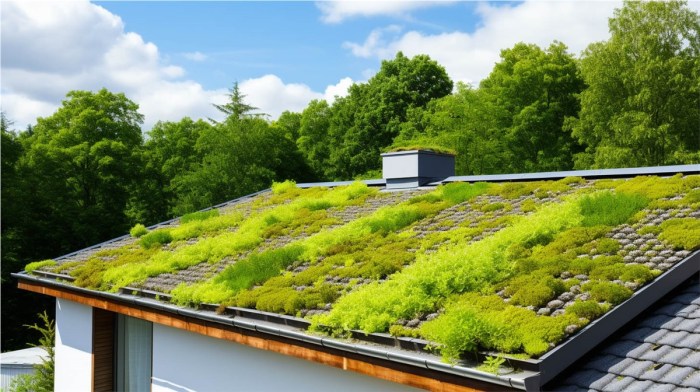
- Green Roofs: Green roofs are covered with vegetation, providing insulation, reducing stormwater runoff, and improving air quality. They also extend the lifespan of the roof.
- Recycled Shingles: Made from recycled materials like rubber, plastic, or wood fibers, recycled shingles are eco-friendly and come in a variety of styles and colors.
Sustainable Siding Materials
When it comes to choosing siding materials for your home, opting for sustainable options is not only beneficial for the environment but also for your home in the long run.
Choosing sustainable siding materials can significantly reduce the carbon footprint of your home while also providing durability and energy efficiency.
Durability and Energy Efficiency
- Bamboo siding is known for its durability, as bamboo is a fast-growing and renewable resource. It is also naturally resistant to pests and moisture, making it a long-lasting option for siding.
- Reclaimed wood siding not only adds a unique and rustic charm to your home but also helps in reducing waste by repurposing old wood. It is a durable option that can withstand the elements over time.
- Fiber cement siding is a low-maintenance and durable option that is resistant to fire, insects, and rot. It also provides great insulation, which can help in reducing energy costs for heating and cooling your home.
- Stucco siding is a traditional and eco-friendly option that is made from natural materials like sand, cement, and lime. It is a durable choice that can last for many years with proper maintenance.
Cost Considerations
When it comes to choosing eco-friendly roofing and siding materials, cost considerations play a significant role in the decision-making process. While the initial cost of sustainable options may be higher than traditional materials, the long-term savings and benefits often outweigh the upfront expenses.
Homeowners need to consider various factors to determine the overall cost-effectiveness of eco-friendly materials.
Initial Cost vs Long-Term Savings
One of the key factors to consider is the initial cost versus the long-term savings of eco-friendly roofing and siding materials. While traditional materials may be cheaper to install initially, they often require more frequent repairs and maintenance over time.
On the other hand, eco-friendly materials are more durable and energy-efficient, resulting in lower long-term costs. Homeowners should weigh the upfront expenses against the potential savings in energy bills, repair costs, and environmental impact.
Tips to Reduce Costs
There are several ways homeowners can reduce costs when opting for sustainable roofing and siding materials. One tip is to research and compare different eco-friendly options to find the most cost-effective solution for their specific needs. Additionally, taking advantage of any available rebates, tax incentives, or financing options can help offset the initial expenses.
Proper maintenance and regular inspections can also extend the lifespan of eco-friendly materials, reducing the overall cost of ownership.
Installation and Maintenance Costs
When comparing the installation and maintenance costs of traditional versus eco-friendly roofing and siding materials, it's essential to consider the long-term benefits. While traditional materials may have lower upfront costs, they often require more frequent repairs and replacements, increasing maintenance expenses over time.
Eco-friendly materials, although initially pricier, are more durable and energy-efficient, resulting in lower maintenance costs in the long run. Homeowners should factor in the lifecycle costs of each option to make an informed decision based on their budget and sustainability goals.
Environmental Impact
Eco-friendly roofing and siding materials play a crucial role in reducing carbon footprint and promoting sustainable practices in the construction industry. These materials are designed to minimize environmental impact and contribute to a healthier planet for future generations.
Recyclability and Biodegradability
One of the key aspects of eco-friendly materials is their recyclability and biodegradability. Materials such as metal roofing, recycled shingles, and reclaimed wood siding can be recycled at the end of their lifespan, reducing the amount of waste sent to landfills.
Additionally, some materials like bamboo siding are biodegradable, meaning they can naturally break down without causing harm to the environment.
Case Studies and Examples
Numerous projects have successfully utilized eco-friendly roofing and siding materials to achieve a positive environmental impact. For instance, a residential building in California installed solar panels on their metal roof, significantly reducing energy consumption and carbon emissions. Another example is a commercial building in New York that incorporated recycled plastic siding, diverting plastic waste from oceans and landfills.
Final Review
In conclusion, eco-friendly roofing and siding materials offer a path towards a greener future for homeowners. By choosing sustainable options, we not only enhance the aesthetic appeal of our homes but also contribute to a healthier planet. Embrace these eco-friendly choices and make a lasting impact on the environment.
Essential Questionnaire
What are the benefits of using eco-friendly roofing materials?
Eco-friendly roofing materials offer enhanced energy efficiency, durability, and contribute to a healthier environment by reducing carbon footprint.
How can homeowners reduce costs when opting for sustainable siding materials?
Homeowners can reduce costs by exploring options like reclaimed wood or fiber cement that offer long-term savings due to their durability.
Do eco-friendly roofing and siding materials have a positive environmental impact?
Yes, these materials help in reducing the carbon footprint, promoting recyclability, and contributing to a more sustainable construction industry.