As eco-friendly siding options continue to gain popularity, homeowners are increasingly turning to sustainable materials for their homes. This article delves into the various eco-friendly siding choices available, shedding light on their benefits and environmental impact. Join us on this journey to discover how you can make a positive difference for your home and the planet.
In the following paragraphs, we will explore the different types of eco-friendly siding materials, their installation and maintenance, design possibilities, and the latest innovations in this eco-conscious field.
Types of Eco-Friendly Siding Options
When choosing siding for your home, it's important to consider eco-friendly options that not only enhance the aesthetics of your property but also minimize environmental impact. Here are five different types of eco-friendly siding materials to consider:
1. Reclaimed Wood Siding
Reclaimed wood siding is sourced from old barns, factories, and other structures, giving it a rustic and unique look. By reusing existing wood, this siding option helps reduce the demand for new timber, promoting sustainability. While the initial cost may be higher due to the labor involved in sourcing and preparing reclaimed wood, it can be a cost-effective choice in the long run due to its durability.
2. Fiber Cement Siding
Fiber cement siding is made from a combination of cement, sand, and cellulose fibers, providing a durable and low-maintenance option for homeowners. This material is resistant to rot, fire, and pests, reducing the need for frequent repairs or replacements. While the upfront cost may be higher compared to traditional vinyl siding, fiber cement siding is a long-lasting and sustainable choice.
3. Bamboo Siding
Bamboo siding is a renewable and fast-growing alternative to traditional wood siding. Bamboo plants can be harvested in as little as three to five years, making it a more sustainable option for homeowners looking to reduce their carbon footprint. Bamboo siding is also lightweight, easy to install, and resistant to moisture and pests, making it a durable and eco-friendly choice.
4. Metal Siding
Metal siding, such as steel or aluminum, is a durable and recyclable option for homeowners seeking an eco-friendly siding material. Metal siding is resistant to fire, rot, and pests, offering long-term protection for your home. While the initial cost of metal siding may be higher than other materials, its longevity and recyclability make it a cost-effective and sustainable choice in the long term.
5. Stucco Siding
Stucco siding is made from a mixture of cement, sand, and lime, providing a durable and low-maintenance option for homeowners. Stucco is a breathable material that helps regulate indoor temperature and moisture levels, reducing the need for additional insulation. While the installation cost of stucco siding may be higher initially, its energy-efficient properties and long lifespan make it a sustainable choice for eco-conscious homeowners.
Benefits of Eco-Friendly Siding
Choosing eco-friendly siding options comes with a multitude of benefits, not only for the environment but also for homeowners looking to improve the energy efficiency and overall health of their living spaces. Let's explore some of the advantages in more detail.
Environmental Advantages
- Eco-friendly siding options are made from sustainable materials, reducing the depletion of natural resources.
- These siding choices often require less energy to produce, lowering the carbon footprint associated with their manufacturing process.
- By using recycled materials, eco-friendly siding helps reduce waste in landfills and promotes a circular economy.
Improved Energy Efficiency
- Eco-friendly siding can act as an additional layer of insulation, reducing heat loss in the winter and heat gain in the summer.
- Properly installed eco-friendly siding can help regulate indoor temperatures, leading to lower energy bills and decreased reliance on heating and cooling systems.
- This energy efficiency can also contribute to a smaller carbon footprint for homeowners, aligning with sustainable living practices.
Healthier Living Environment
- Eco-friendly siding options are often free from harmful chemicals and volatile organic compounds (VOCs), improving indoor air quality.
- These siding materials are less likely to off-gas, creating a healthier environment for occupants, especially those with respiratory conditions or sensitivities.
- Reduced exposure to toxins from conventional siding can lead to fewer health issues and a more comfortable living space overall.
Installation and Maintenance
When it comes to installing and maintaining eco-friendly siding, there are specific steps to follow to ensure longevity and sustainability for your home.
Installation Process
- Start by preparing the walls of your home, ensuring they are clean and free of any debris.
- Measure and cut the eco-friendly siding material according to the dimensions of your walls.
- Attach the siding to the walls using the recommended fasteners, following the manufacturer's guidelines.
- Seal the seams and edges properly to prevent any moisture infiltration.
- Finish the installation by adding trim pieces and ensuring everything is securely in place.
Durability and Maintenance
Eco-friendly siding materials are known for their durability and low maintenance requirements. Here are some tips to keep them in top condition:
- Regularly inspect the siding for any signs of damage or wear, such as cracks or warping.
- Clean the siding periodically with a gentle soap solution and a soft brush to remove dirt and debris.
- Trim any overgrown vegetation near the siding to prevent damage from moisture and pests.
- Apply a fresh coat of paint or sealant as needed to protect the siding from the elements.
Proper maintenance is key to prolonging the lifespan of your eco-friendly siding and ensuring it continues to enhance the sustainability of your home.
Design and Aesthetics
When it comes to eco-friendly siding options, design and aesthetics play a crucial role in enhancing the overall look of a home while also contributing to sustainability.Eco-friendly siding materials offer a wide range of design options that can complement various architectural styles, from modern to traditional.
These materials are available in different colors, textures, and finishes, allowing homeowners to choose the perfect option that suits their aesthetic preferences.
Enhancing Curb Appeal
Eco-friendly siding can significantly enhance the curb appeal of a home by adding a touch of natural beauty and warmth. Materials like reclaimed wood, bamboo, and cork can create a unique and inviting look that stands out from conventional siding options.
Additionally, eco-friendly siding can help create a harmonious connection between the house and its natural surroundings, making it more visually appealing.
Incorporating Eco-Friendly Siding
Whether you have a modern, rustic, or traditional architectural style, there are ways to incorporate eco-friendly siding materials seamlessly. For instance, using reclaimed wood siding can add a rustic charm to a farmhouse-style home, while bamboo siding can complement a contemporary design with its sleek and modern look.
Cork siding, on the other hand, can provide a unique texture and visual interest to a mid-century modern home.
Eco-Friendly Siding Innovations
In recent years, the field of eco-friendly siding has seen remarkable advancements and innovations that have revolutionized sustainable construction practices. These innovations are not only focused on reducing environmental impact but also improving the durability and aesthetics of siding materials.
Advancements in Recycled Materials
One of the key innovations in eco-friendly siding is the use of recycled materials such as reclaimed wood, plastic, and metal. These materials are not only environmentally friendly but also help reduce waste and promote recycling. Manufacturers are now finding creative ways to incorporate recycled content into siding products without compromising on quality or performance.
Solar Siding Technology
Another emerging trend in eco-friendly siding is the integration of solar technology into siding panels. Solar siding panels are designed to harness solar energy and convert it into electricity, providing homeowners with a sustainable energy source. This innovative approach not only reduces the carbon footprint of a building but also helps homeowners save on energy costs in the long run.
Biodegradable Siding Solutions
As sustainability becomes a top priority in construction, biodegradable siding solutions are gaining popularity. These siding materials are designed to break down naturally over time, reducing the environmental impact of construction projects. Biodegradable siding options are not only eco-friendly but also contribute to a healthier ecosystem by minimizing waste and pollution.
Smart Siding Systems
With the rise of smart home technology, eco-friendly siding systems are now incorporating advanced features such as energy monitoring, automated ventilation, and climate control. These smart siding systems are designed to optimize energy efficiency and reduce overall environmental impact by adapting to changing weather conditions and homeowner preferences.
Future of Sustainable Siding
The future of eco-friendly siding options looks promising, with continuous research and development focused on enhancing sustainability in construction. As technology advances and consumer demand for green building materials grows, we can expect to see more innovative solutions that prioritize environmental responsibility without compromising on performance or aesthetics.
Outcome Summary
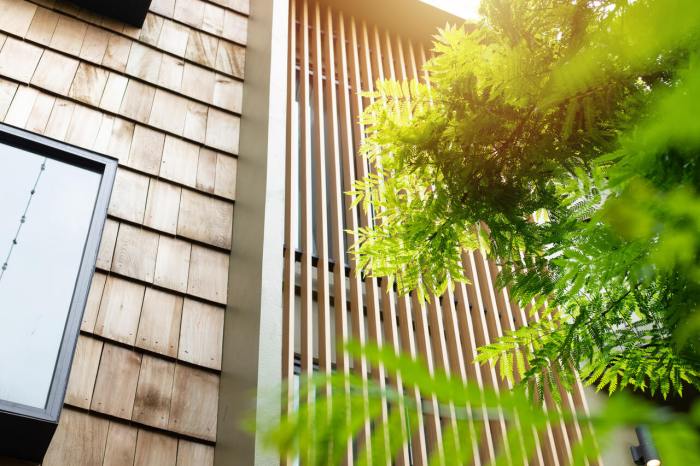
In conclusion, eco-friendly siding options offer a compelling mix of sustainability, durability, and aesthetic appeal for modern homeowners. By choosing eco-friendly siding, you not only enhance the value of your home but also contribute to a greener future. Embrace these eco-conscious choices and make a positive impact one siding panel at a time.
FAQ Resource
What are the most common types of eco-friendly siding materials?
Common types include reclaimed wood, fiber cement, recycled metal, stone veneer, and bamboo.
How can eco-friendly siding improve energy efficiency in a home?
Eco-friendly siding provides better insulation, reducing the need for heating and cooling, thus lowering energy consumption.
What are some tips for maintaining eco-friendly siding?
Regular cleaning, inspecting for damage, and promptly repairing any issues can help prolong the lifespan of eco-friendly siding.