
Delving into the realm of international standards for roofing and exterior projects, this introduction aims to provide a comprehensive overview that captures the essence of the topic.
Highlighting the significance of adhering to global standards, the intro sets the stage for a detailed exploration of quality, safety, and sustainability in construction projects.
International Standards Overview
Adhering to international standards for roofing and exterior projects is crucial to ensure quality, safety, and sustainability in construction. These standards provide a set of guidelines and best practices that help in achieving consistent and reliable outcomes in the built environment.Key international organizations that play a significant role in setting standards for roofing and exterior projects include the International Organization for Standardization (ISO), the American Society for Testing and Materials (ASTM), and the European Committee for Standardization (CEN).
These organizations develop and update standards based on industry research, technological advancements, and input from experts to address various aspects of construction projects.International standards contribute to quality by establishing uniform criteria for materials, design, installation, and maintenance practices. They help in ensuring that products and processes meet specific requirements, leading to durable and long-lasting structures.
Moreover, adherence to these standards enhances safety by minimizing risks associated with structural failures, environmental hazards, and occupational accidents.Furthermore, international standards promote sustainability in construction by encouraging the use of eco-friendly materials, energy-efficient designs, and waste reduction practices. By incorporating sustainability principles into building projects, standards help in conserving resources, reducing carbon footprint, and creating healthier environments for occupants.
Benefits of International Standards for Roofing and Exterior Projects
- Consistency in quality and performance
- Enhanced safety measures
- Promotion of sustainable construction practices
- Facilitation of global trade and collaboration
Roofing Standards
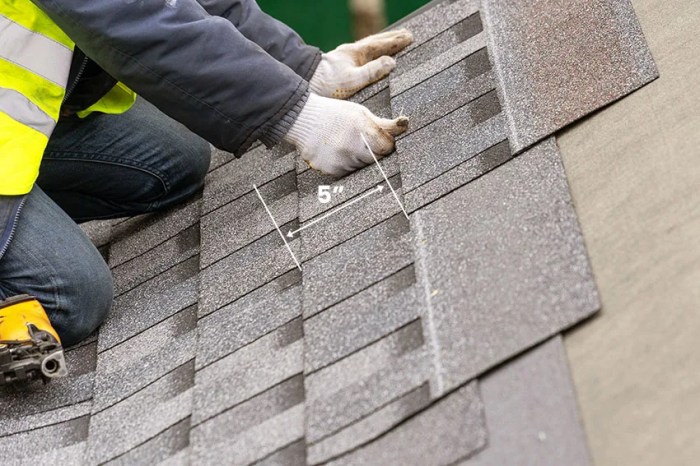
Roofing standards play a crucial role in ensuring the quality, safety, and longevity of roofing projects. International standards related to roofing materials, installation, and maintenance provide guidelines that help professionals deliver durable and reliable roofing solutions.
Materials Standards
When it comes to roofing materials, various international standards exist to regulate the quality and performance of products. For example, ASTM International sets standards for asphalt shingles, metal roofing, and other materials commonly used in roofing projects. These standards specify criteria such as material composition, durability, and testing methods to ensure that roofing materials meet industry requirements.
Installation Standards
International standards for roofing installation focus on best practices to ensure proper and safe installation of roofing systems. Organizations like the National Roofing Contractors Association (NRCA) provide guidelines for installation techniques, flashing details, and ventilation requirements. Adhering to these standards can help prevent issues such as leaks, premature deterioration, and structural damage.
Maintenance Standards
Maintenance standards are essential for preserving the performance and appearance of roofing systems over time. The International Building Code (IBC) includes provisions for roof maintenance, such as regular inspections, repairs, and cleaning. Following these standards can extend the lifespan of a roof and reduce the likelihood of costly repairs or replacements.Overall, adherence to international roofing standards can benefit a roofing project by ensuring quality, safety, and compliance with regulations.
By following established guidelines for materials, installation, and maintenance, roofing professionals can deliver reliable and long-lasting solutions that meet the needs of building owners and occupants
Exterior Projects Standards
When it comes to exterior projects such as siding, windows, and doors, international standards play a crucial role in ensuring the quality, durability, and aesthetics of the structures. These standards provide guidelines for materials, installation methods, and performance requirements, ultimately impacting the overall outcome of the projects.
Impact of Standards on Durability and Aesthetics
The adherence to international standards in exterior projects directly influences the long-term durability and visual appeal of the structures. For example, using weather-resistant materials and following proper installation techniques as per standards can enhance the lifespan of siding, windows, and doors, protecting them from environmental factors like moisture, UV rays, and extreme temperatures.
Furthermore, compliance with standards ensures that the exterior components are installed correctly, contributing to a cohesive and aesthetically pleasing look for the overall building facade. By following these guidelines, the risk of structural failures, leaks, or aesthetic flaws is significantly reduced, leading to a more visually appealing and structurally sound end result.
Case Studies of Compliance with International Standards
- In a commercial building project that followed international standards for window installation, the windows were properly sealed and insulated, resulting in improved energy efficiency and reduced heating costs.
- A residential construction project that adhered to siding standards experienced minimal warping and fading over time, maintaining its original appearance and structural integrity.
- By using doors that met international standards for security and durability, a retail store enhanced its storefront design while ensuring the safety of its premises and merchandise.
Compliance and Certification
Ensuring compliance with international standards for roofing and exterior projects is crucial to guaranteeing the quality and safety of construction work. Compliance involves following specific guidelines, regulations, and requirements set by international organizations to meet industry best practices and standards.
Role of Certifications
Certifications play a vital role in verifying adherence to these standards. They act as official recognition that a company, product, or individual meets the necessary requirements and has undergone the proper training or assessment to ensure compliance. Certifications provide assurance to clients, stakeholders, and regulatory bodies that the work carried out meets the industry's highest standards.
Tips for Obtaining and Maintaining Certifications
- Research: Understand the specific certifications required for roofing and exterior projects in your region or for international projects.
- Training: Ensure that your team receives the necessary training to meet the certification requirements.
- Documentation: Keep detailed records of all processes, materials used, and inspections to demonstrate compliance during certification audits.
- Continuous Improvement: Stay updated on the latest industry standards and best practices to continuously improve your work and maintain certifications.
- Seek Expert Advice: Consult with industry experts or certification bodies to guide you through the certification process and address any challenges.
Epilogue
Wrapping up our discourse on international standards for roofing and exterior projects, the conclusion offers a succinct summary of the key points discussed, leaving readers with a lasting impression.
FAQ Insights
What are the key benefits of adhering to international standards for roofing and exterior projects?
Adhering to international standards ensures quality, safety, and sustainability in construction projects, enhancing overall outcomes.
How can one obtain certifications for compliance with international standards?
Obtaining certifications involves following specific processes Artikeld by relevant organizations and demonstrating adherence to set standards.
What role do international organizations play in setting standards for roofing and exterior projects?
International organizations play a crucial role in establishing and updating standards to ensure uniformity and excellence in the industry.