Exploring the world of structural repair contractors unveils a crucial aspect of the construction industry. These professionals play a pivotal role in addressing common structural issues and ensuring the integrity of buildings. Let's delve deeper into their expertise and the significance of their work.
In the subsequent paragraphs, we will examine the services offered by structural repair contractors, their qualifications, the materials and techniques they utilize, and much more.
Overview of Structural Repair Contractors
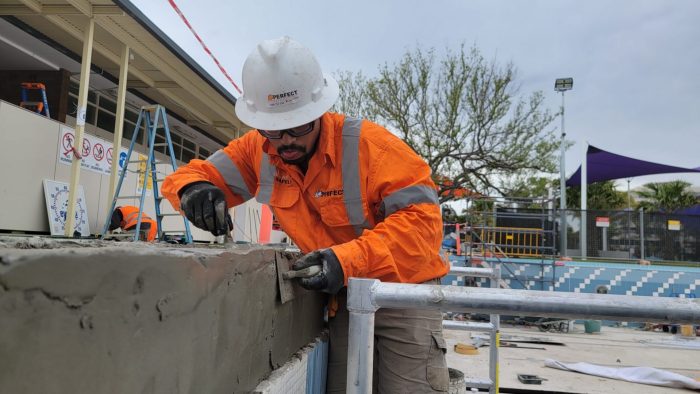
Structural repair contractors play a crucial role in the construction industry by ensuring the safety and stability of buildings and structures. These professionals are tasked with identifying, assessing, and addressing various structural issues to prevent further damage and ensure the longevity of the infrastructure.
Common Structural Issues
- Foundation Cracks: These can indicate underlying issues with the foundation, such as settlement or water damage.
- Wall Leaning or Bowing: Signs of potential structural instability that require immediate attention.
- Roof Damage: Damage to the roof structure can compromise the overall integrity of the building.
- Sagging Floors: Indicative of issues with the support beams or foundation.
Importance of Hiring Qualified Professionals
It is crucial to hire qualified structural repair contractors for any repair work to ensure that the issues are properly addressed and the structural integrity of the building is maintained. These professionals have the expertise, experience, and tools necessary to diagnose and repair structural problems effectively, minimizing the risk of future issues and ensuring the safety of the occupants.
Services Offered by Structural Repair Contractors
When it comes to structural repair contractors, they offer a range of services to address various issues related to the stability and integrity of buildings. These services are crucial in ensuring the safety of the occupants and maintaining the structural integrity of the building over time.
Assessment of Structural Damage
Structural repair contractors begin by conducting a thorough assessment of the damage to determine the extent of the issue. This assessment involves inspecting the affected areas, identifying the underlying causes of the damage, and evaluating the structural integrity of the building.
By using specialized tools and techniques, they can accurately assess the damage and develop a repair plan accordingly.
Repair Methods
Based on their assessment, structural repair contractors determine the most appropriate repair methods to address the structural damage. This may involve repairing cracks, reinforcing weakened areas, replacing damaged components, or even stabilizing the foundation. The goal is to restore the structural integrity of the building and prevent further damage from occurring.
Preventative Maintenance
In addition to repairing existing structural issues, structural repair contractors also emphasize the importance of preventative maintenance. By regularly inspecting and maintaining the building's structure, they can identify potential problems early on and address them before they escalate into major issues.
This proactive approach helps to extend the lifespan of the building and minimize the need for costly repairs in the future.
Qualifications and Training
To become a successful structural repair contractor, individuals must possess a specific set of qualifications and certifications. These credentials are essential for ensuring that the contractor has the necessary skills and knowledge to perform the job effectively and safely.
Qualifications and Certifications
- Education: A structural repair contractor should have a degree in civil engineering or a related field. This educational background provides a strong foundation in structural principles and design.
- Licensure: It is crucial for structural repair contractors to be licensed in their state or region. This ensures that they have met the necessary requirements and have the legal authority to perform structural repair work.
- Certifications: Additional certifications, such as those from organizations like the International Concrete Repair Institute (ICRI) or the American Concrete Institute (ACI), can demonstrate expertise in specific repair techniques.
Importance of Ongoing Training
Continuing education and training are vital for structural repair contractors to stay current with industry standards, regulations, and emerging technologies. Ongoing training allows contractors to expand their skill set and provide the best possible service to their clients.
Skill Set Comparison
| Profession | Skill Set |
|---|---|
| Structural Repair Contractor | Expertise in structural analysis, repair techniques, and material knowledge. |
| General Contractor | Knowledge of overall construction processes and project management. |
| Architect | Design skills, building codes knowledge, and aesthetic considerations. |
Materials and Techniques Used
Structural repair contractors utilize a variety of materials and techniques to effectively repair and strengthen damaged structures. These materials and techniques have evolved over time to improve the efficiency and durability of structural repairs.
Common Materials and Techniques
Structural repair contractors commonly use materials such as:
- Concrete: A versatile material used for various structural repairs, including patching, resurfacing, and reinforcement.
- Steel: Often used for structural reinforcement and support in buildings and bridges.
- Epoxy resins: Used for bonding, filling cracks, and repairing concrete structures.
Common techniques employed by structural repair contractors include:
- Carbon fiber reinforcement: Provides additional strength to concrete structures and can be used to repair and reinforce beams, columns, and slabs.
- Grouting: Injecting a cementitious or epoxy material into voids to stabilize and strengthen structures.
- Post-tensioning: Applying tension to reinforcing cables or bars after concrete has set to improve structural integrity.
Advancements in Materials and Techniques
Advancements in materials and techniques have significantly enhanced the efficiency and effectiveness of structural repairs. For example, the development of high-strength, lightweight materials like carbon fiber composites has revolutionized the way structures are repaired and strengthened. These materials offer superior strength-to-weight ratios and corrosion resistance, making them ideal for structural applications.
Innovative Solutions in Structural Repair
Structural repair contractors have implemented innovative solutions in various projects to address complex structural issues. One such example is the use of self-healing concrete, which contains capsules of healing agents that can repair cracks autonomously when they form. This technology has the potential to increase the longevity and durability of concrete structures, reducing the need for frequent repairs.
Outcome Summary
In conclusion, structural repair contractors stand as guardians of structural integrity, employing their skills to maintain safety and stability in buildings. By understanding their role and expertise, we can appreciate the importance of their work in the construction realm.
FAQ Corner
What are some common structural issues addressed by repair contractors?
Common issues include foundation cracks, sagging floors, and water damage affecting structural integrity.
Why is hiring qualified professionals crucial for structural repairs?
Qualified professionals have the expertise to accurately assess damage and implement effective repair solutions, ensuring long-term stability.
What qualifications should structural repair contractors possess?
They should hold relevant certifications, have experience in the field, and stay updated with industry advancements.
How do contractors determine the appropriate repair methods for structural damage?
Through thorough assessment and analysis of the damage, contractors can choose the most suitable repair techniques.